Psychic Ganapati Astrology & Spiritual Healing Center
Psychic Ganapati Astrology & Spiritual Healing Centre
Psychic Ganapati Astrology & Spiritual Healing Centre
Psychic Ganapati Astrology & Spiritual Healing Centre
Psychic Ganapati Astrology & Spiritual Healing Centre
Psychic Ganapati Astrology & Spiritual Healing Centre
Psychic Ganapati Astrology & Spiritual Healing Centre
Psychic Ganapati Astrology & Spiritual Healing Centre
Psychic Ganapati Astrology & Spiritual Healing Centre


Menu

Menu
How Different Cultures Interpret Negative Energy and Spiritual Protection
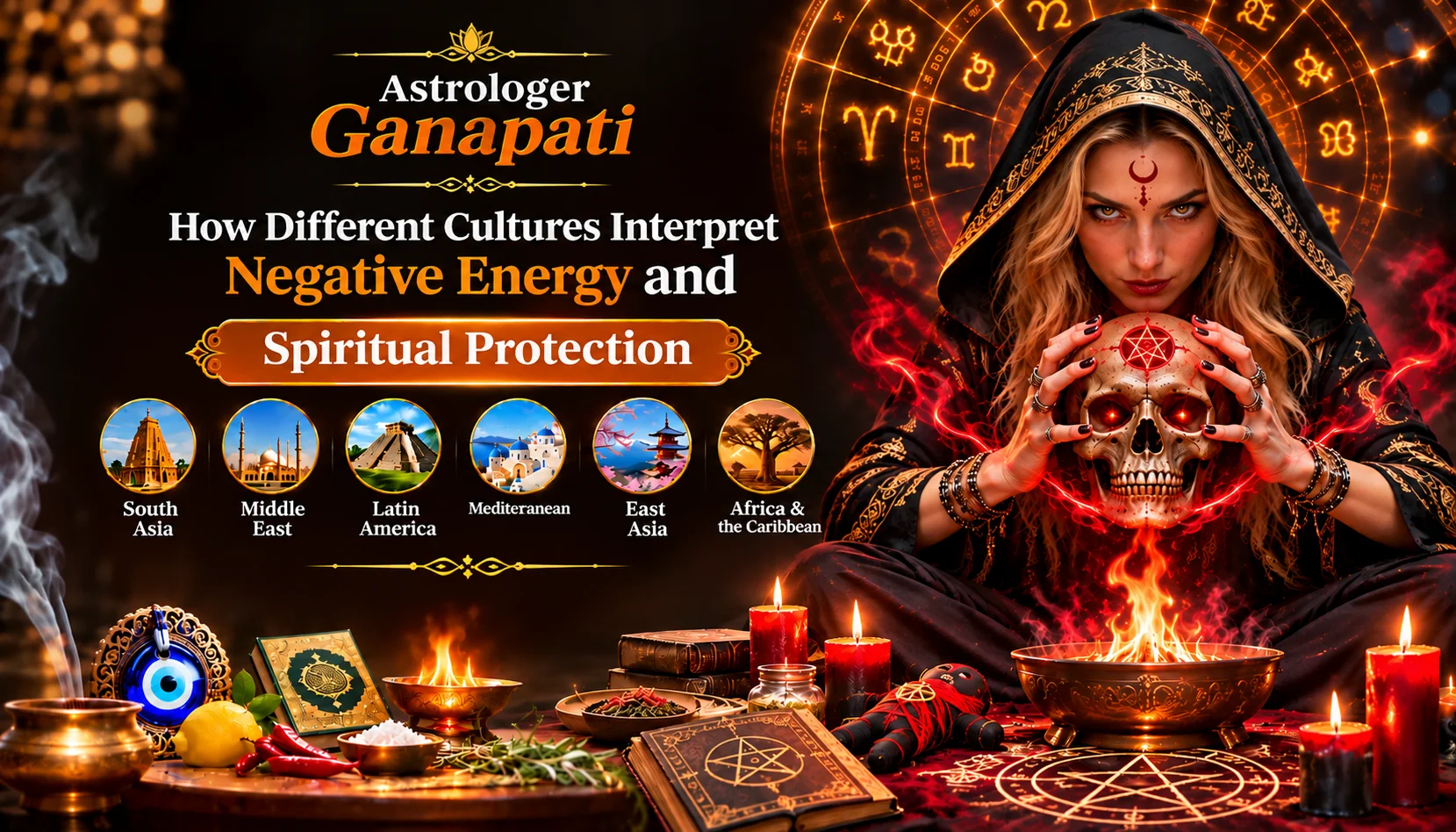
Seattle brings together families from South Asia, Latin America, East Africa, the Middle East and beyond. Each community carries its own ideas about negative energy and how to guard against it. That diversity explains why many residents look for black magic removal in Seattle when life suddenly feels heavy.
This guide explores how different cultures understand negative energy concerns, which traditional protection practices they use and what these traditions share.
How Different Cultures See Negative Energy
South Asia
In India, Pakistan and Bangladesh, people speak of nazar (the evil eye) and kala jadu (black magic). Families tie black threads, hang lemon-and-chili charms at the door and perform havan or recite protective mantras and Qur’anic verses.
The Middle East
Islamic tradition recognizes ayn (the evil eye) and sihr (sorcery). Believers recite Ayat al-Kursi and the final chapters of the Qur’an, and some seek ruqyah, a healing recitation.
Latin America
Many Mexican and Central American families believe in mal de ojo. A curandero or curandera may perform a limpia, a cleansing that often uses an egg, herbs and prayer.
The Mediterranean
Greeks call the evil eye mati, and Turks call it nazar. People hang blue glass eye charms in homes, cars and offices to deflect envy.
East Asia
Chinese feng shui focuses on the flow of energy, or qi. Households use bagua mirrors and careful furniture placement. In Japan, people carry omamori amulets from Shinto shrines.
Africa and the Caribbean
Many West African, East African and Caribbean traditions link misfortune to ill will or ancestral imbalance. Communities rely on prayer, herbal baths and guidance from respected spiritual elders.
Black Magic Beliefs and Protection Practices at a Glance
| Culture | Key Belief | Traditional Protection Practice |
|---|---|---|
| South Asian | Nazar, kala jadu | Black thread, havan, mantras |
| Middle Eastern | Ayn, sihr | Qur'anic recitation, ruqyah |
| Latin American | Mal de ojo | Egg limpia, herbs, prayer |
| Mediterranean | Mati, nazar | Blue eye charms |
| East Asian | Blocked qi | Feng shui, bagua mirrors, omamori |
| African and Caribbean | Ill will, ancestral imbalance | Herbal baths, prayer, elders' guidance |
Black Magic Beliefs and Protection Practices at a Glance
Despite their differences, most cultures agree on three ideas:
These practices also support emotional well-being. Rituals create calm, build routine and remind people that their community stands behind them.
- Envy and ill will can affect us. Nearly every tradition warns against jealousy.
- Cleansing restores balance. Spiritual cleansing rituals use water, salt, smoke, herbs or prayer to clear heaviness.
- Protection works daily. Charms, prayers and blessings act as steady shields, not one-time fixes.
Choosing a Spiritual Consultation in Seattle
Before you book black magic removal in Seattle, make sure the practitioner:
If you feel persistently anxious, low or unable to sleep, talk to your doctor or a licensed counselor as well. Spiritual and professional support can work together.
- Listens carefully and respects your cultural background
- Explains each ritual and its purpose clearly
- Shares fixed prices upfront
- Never uses fear or threats to sell extra services
Frequently Asked Questions
Is negative energy the same as black magic?
No. Most traditions see negative energy as everyday heaviness, while black magic beliefs involve deliberate harm.
Can I try spiritual cleansing at home?
Yes. Salt, smoke cleansing, prayer and decluttering make a simple start.
What are common signs people associate with black magic?
People often mention sudden, repeated setbacks, constant family conflict, disturbing dreams or a heavy feeling at home that won’t lift.
What happens during a spiritual consultation?
A genuine practitioner listens to your concerns, asks about your background and beliefs, and explains any recommended ritual, its purpose and its cost before starting.